
You're standing in front of the mirror before a Saturday round, and the cap on the dresser looks safe but a little boring. That's usually the moment plaid golf hats start making sense. They carry more personality than a flat logo cap, but they still fit into golf's language of clean lines, tradition, and function.
The trick is choosing plaid with intent. A good pattern can sharpen a simple polo, soften a louder outfit, and still work after the round when the group heads to lunch. Bad plaid does the opposite, it looks busy, cheap, or like it was picked without thinking about shape, fabric, or where it will be worn.
The Secret Weapon in Your Golf Wardrobe
A golfer usually reaches for the same few hats because they are easy. Solid navy, black, maybe white if the rest of the outfit is clean enough. That works, but it rarely says anything about the person wearing it.
Plaid golf hats change that without demanding attention from the rest of the outfit. They add texture and character in a way that feels natural on a course, especially because plaid already sits comfortably inside golf's visual history. That heritage matters because plaid in golf does not feel random, it feels rooted.
The best part is how easy plaid is to use when the rest of the outfit stays disciplined. A plaid cap can become the one expressive piece while the polo, trousers, and shoes do the quiet work. That is why it reads stylish instead of messy.
Practical rule: Let the hat be the accent, not the argument. If the cap is bold, keep the shirt and bottoms calmer.
Golf's modern plaid language also has a real tournament symbol behind it. The RBC Heritage introduced its Heritage Plaid winner's jacket in 1976, first worn by Hubert Green, and the event itself dates to 1969 Sportskeeda. That is not just trivia, it shows that plaid has been treated as part of golf's formal identity, not only its casual side.
For players who want to look intentional from the first tee to the 19th hole, plaid is the simplest upgrade in the bag. It signals taste without needing a giant logo to do the talking.
Understanding the Language of Plaid
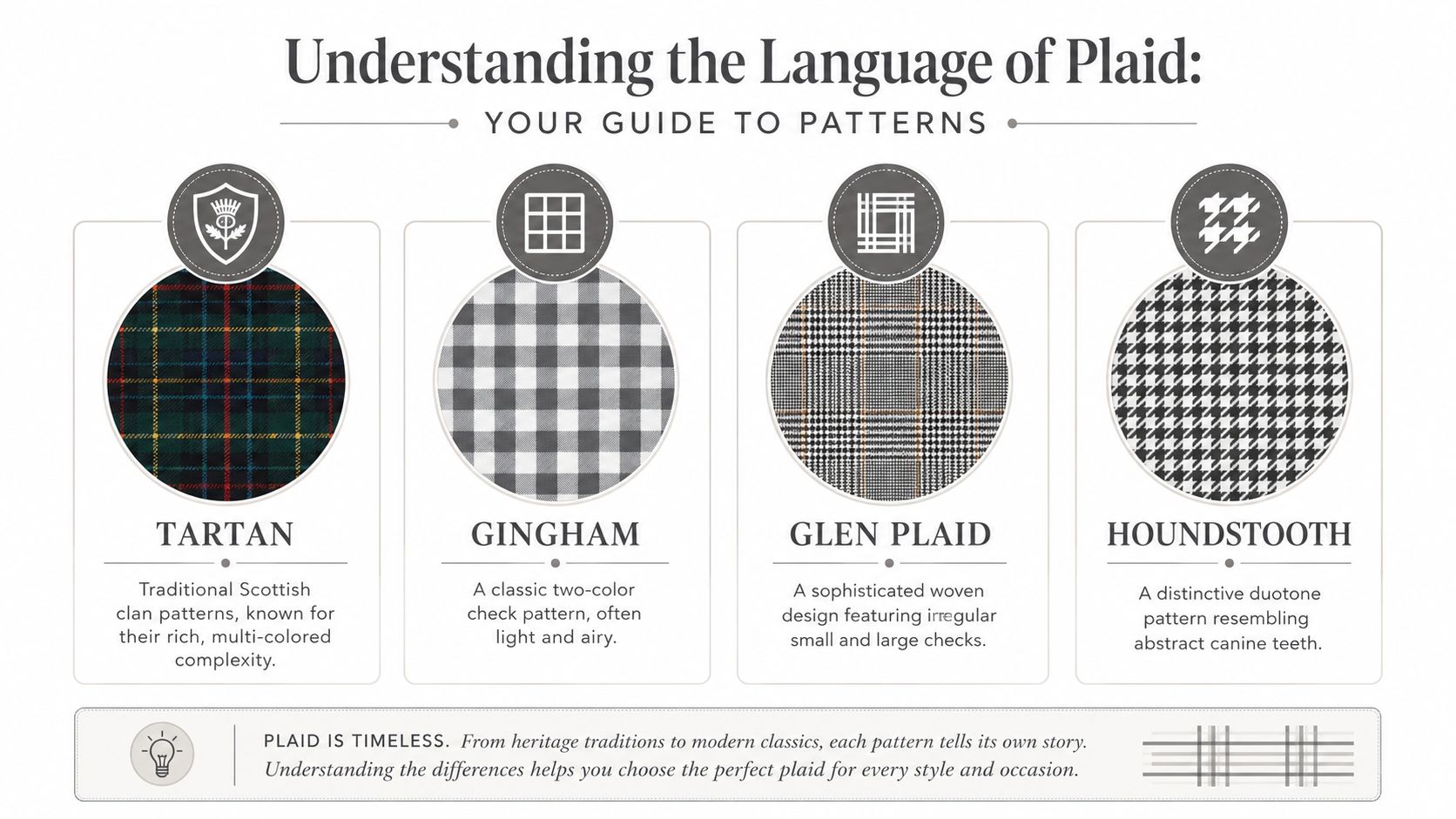
A plaid golf hat works best when you know what the pattern is saying. The word plaid gets used as a catchall, but the pattern family includes different looks with different levels of energy, formality, and visual noise. Once you can tell them apart, it gets easier to choose a cap that fits your face, your wardrobe, and how much attention you want the hat to draw.
Tartan feels rooted and expressive
Tartan is the most familiar starting point. It usually brings layered color and a strong heritage feel, which is why it carries the clearest link to Scottish tradition in golf style, as noted by Smithsonian Magazine. On a golf hat, that history gives tartan more presence than most other plaid patterns.
That extra presence is useful, but it also creates a trade-off. Tartan can look sharp and confident with a simple polo and plain trousers, yet it can feel busy if the rest of the outfit is already doing too much. For golfers who want their hat to act as the focal point, tartan does that job without looking forced.
Glen Plaid reads polished and quieter
Glen Plaid, sometimes called Prince of Wales check, has a more polished feel. The pattern is usually smaller in scale, so it comes across as refined rather than rustic. On a golf hat, that restraint helps the shape of the cap stay visible instead of disappearing under a loud pattern.
This pattern makes sense if you want a hat that can move from the course to a clubhouse lunch without looking out of place. It sits comfortably with a quarter-zip, a clean button-down, or a blazer-style layer, and it keeps the outfit feeling intentional. A good place to compare refined options is premium golf hats from 2ndShotMVP, where pattern choice matters as much as fit.
Gingham feels casual and airy
Gingham is the lightest-feeling pattern in the group. Its simple two-color grid gives it a cleaner, more relaxed read, especially when the checks are small and the palette stays restrained. On a cap, that makes gingham easy to wear without adding much visual weight.
Pattern size matters here. Larger checks feel more playful and noticeable, while smaller ones stay tidy and easier to pair with standard golf staples. If you want plaid language without a heavy heritage look, gingham is usually the least intimidating entry point.
Houndstooth gives a sharper comparison point
Houndstooth is not plaid in the strictest sense, but it belongs in the same conversation because it uses contrast and texture in a similar way. The pattern feels more graphic and more angular than traditional plaid, which changes the mood of the hat right away. That makes it useful when you are deciding how much character you want the cap to have.
Choose it when the rest of your outfit is simple and you want the hat to carry more of the visual interest. If your shirt or trousers already have pattern, a quieter plaid usually works better. The hat should feel deliberate, not crowded.
Decoding Materials and Construction
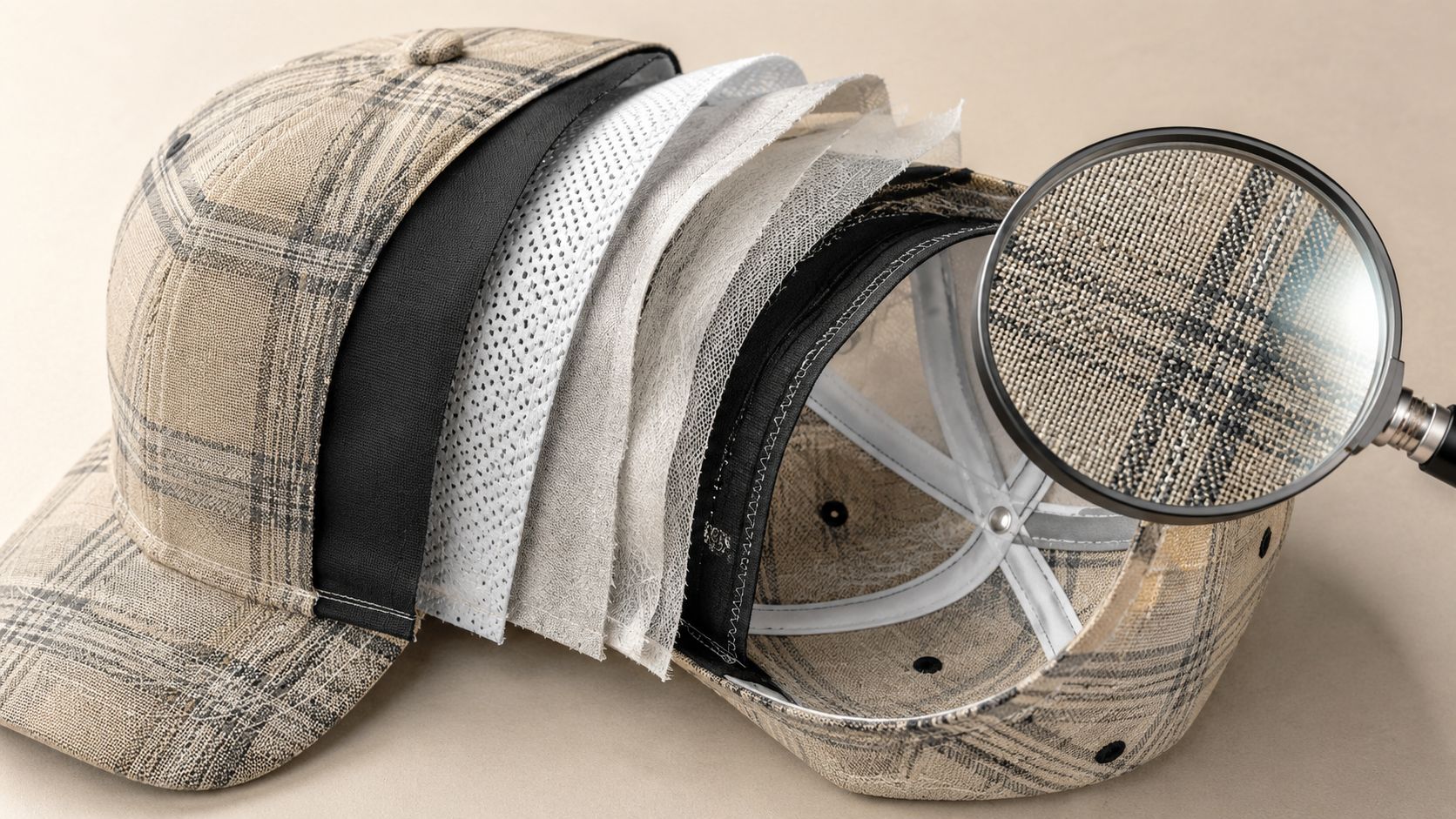
Fabric decides whether a plaid golf hat feels like a smart addition or dead weight by the back nine. A strong pattern cannot save a cap that traps sweat, sags in heat, or sits on your head like it was sized for someone else. Materials and construction determine performance.
Performance-focused plaid caps usually use polyester or nylon blends because they move moisture and dry faster, while cotton-heavy fabrics absorb sweat and stay heavier for longer Hickory Golf Store. That trade-off shows up fast on a warm day. Cotton can feel pleasant at the first tee, but a damp brim and a heavier crown stop feeling appealing once the round settles in.
Structure changes how the hat behaves
A structured crown holds its shape more firmly, which gives a plaid pattern cleaner lines. That works well if you want the hat to look sharp in photos or at a club lunch. An unstructured crown feels softer and more casual, and it is easier to wear if you prefer a broken-in look.
Sweat management matters too. Product-level specs for plaid golf caps often mention adjustable straps and breathable construction because those details help keep the fit stable during a round. The hat does not just sit there, it has to stay comfortable through swings, sun, and movement.
Why the shell and liner matter
Some plaid golf hats use a cotton/poly shell with a liner, which helps the cap keep its shape while still offering a little forgiveness in wear. That kind of construction can matter as much as the pattern because the hat needs to feel good the moment you put it on and still hold up after a full round. For golfers comparing more refined options, 2ndShotMVP's premium golf hats collection gives a practical sense of how different materials, finishes, and builds change the way a hat wears.
If you are choosing between options, start with climate. Hotter rounds push you toward performance blends, while cooler mornings let you use more structure and texture without paying for it in comfort. A well-made plaid hat should handle both the course and a post-game lunch without making you compromise too much on either side.
Finding Your Perfect Fit and Shape
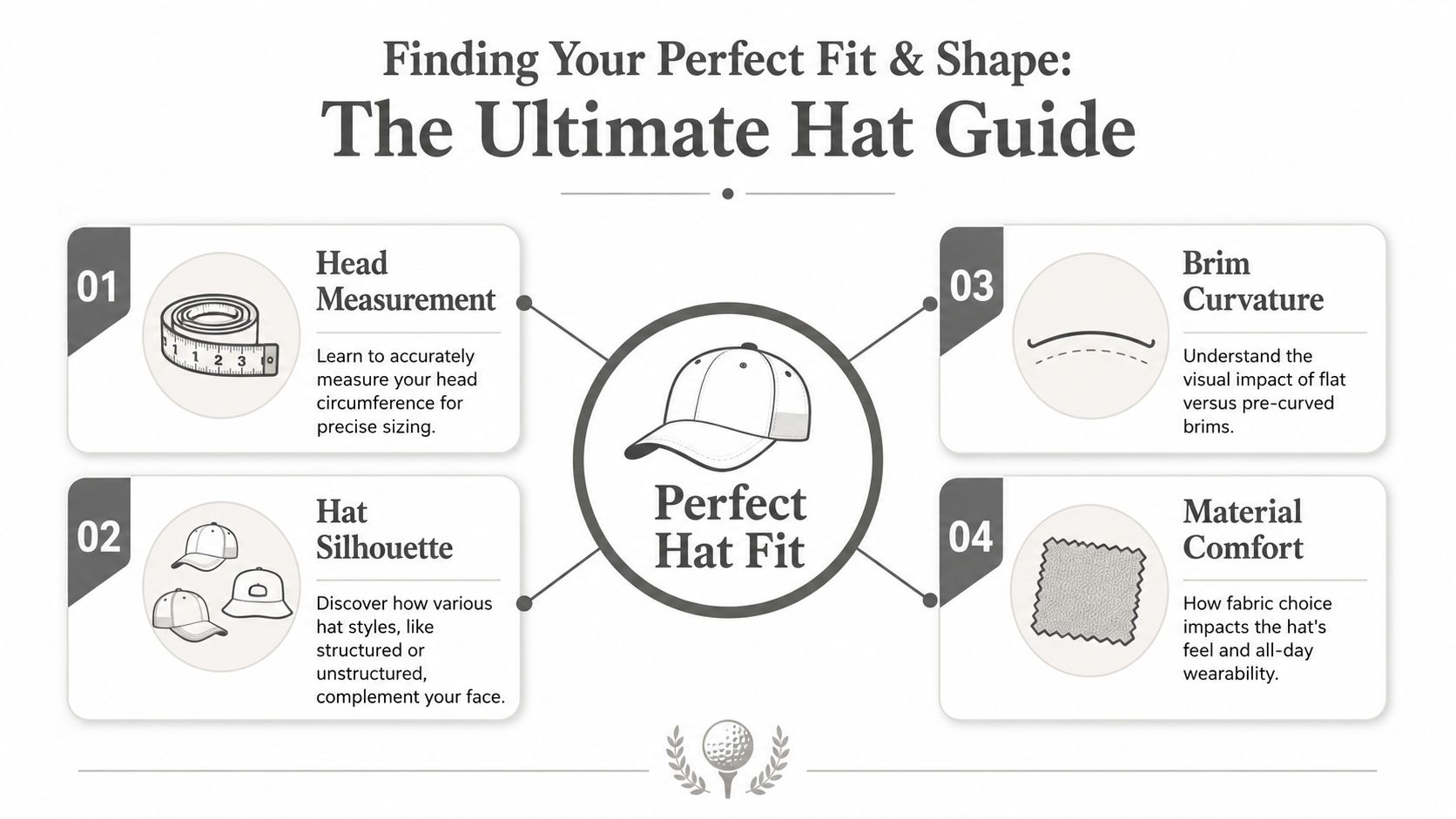
A plaid golf hat can look sharp on its own and still feel wrong once it is on your head. The silhouette has to work with your face, because the crown, brim, and overall profile change how the pattern reads from the first tee to the clubhouse. The goal is to choose a shape that looks like it belongs on you, not one that sits there fighting your features.
Match silhouette to your face, not the trend
Flat caps and scally-style hats sit lower and flatter, which can look especially clean on longer faces. Snapbacks bring more crown height and a sportier edge, so they often balance rounder faces better. Dad hats and unstructured caps land between those two, with an easy, relaxed feel that works for golfers who do not want a highly engineered look.
The wrong silhouette usually shows up in the same ways. Either the crown looks too tall and cartoonish, or the cap sits so low that it swallows your features. Neither one helps the plaid pattern look deliberate.
Think about brim shape as part of the outfit
A curved brim feels more traditional and usually sits better with classic golf attire. A flat brim gives a sharper, more casual edge, but it also makes the hat feel more style-forward. Neither is automatically better, the point is whether the brim matches the rest of what you wear.
Wearability rule: If you want the hat to blend into your golf wardrobe, choose a curved brim. If you want it to act like a statement piece, a flatter brim can do that.
Measure first, then judge the look
Sizing should start with your head measurement taken just above the eyebrows and ears. That simple step saves a lot of frustration, because a hat that looked right online can ride too high or squeeze too hard in person. A chart that spans 53–64 cm shows how much practical range golf headwear needs to cover, and it is a useful reference point when comparing options, including styles like the Birdie cap from Boston Scally.
A good fit does not pinch, but it also does not float. If the hat shifts when you address the ball, it is the wrong one.
Quick Fit Checks
- Check the front line: The hat should frame your forehead, not cut into it.
- Check the side pressure: You want even contact, not one hot spot near the temples.
- Check the profile in a mirror: If the crown looks too tall from the side, try a lower silhouette.
- Check how it sits after movement: Bend, rotate, and simulate a swing. A hat that survives that test is more likely to survive 18 holes.
How to Style a Plaid Golf Hat On and Off the Course
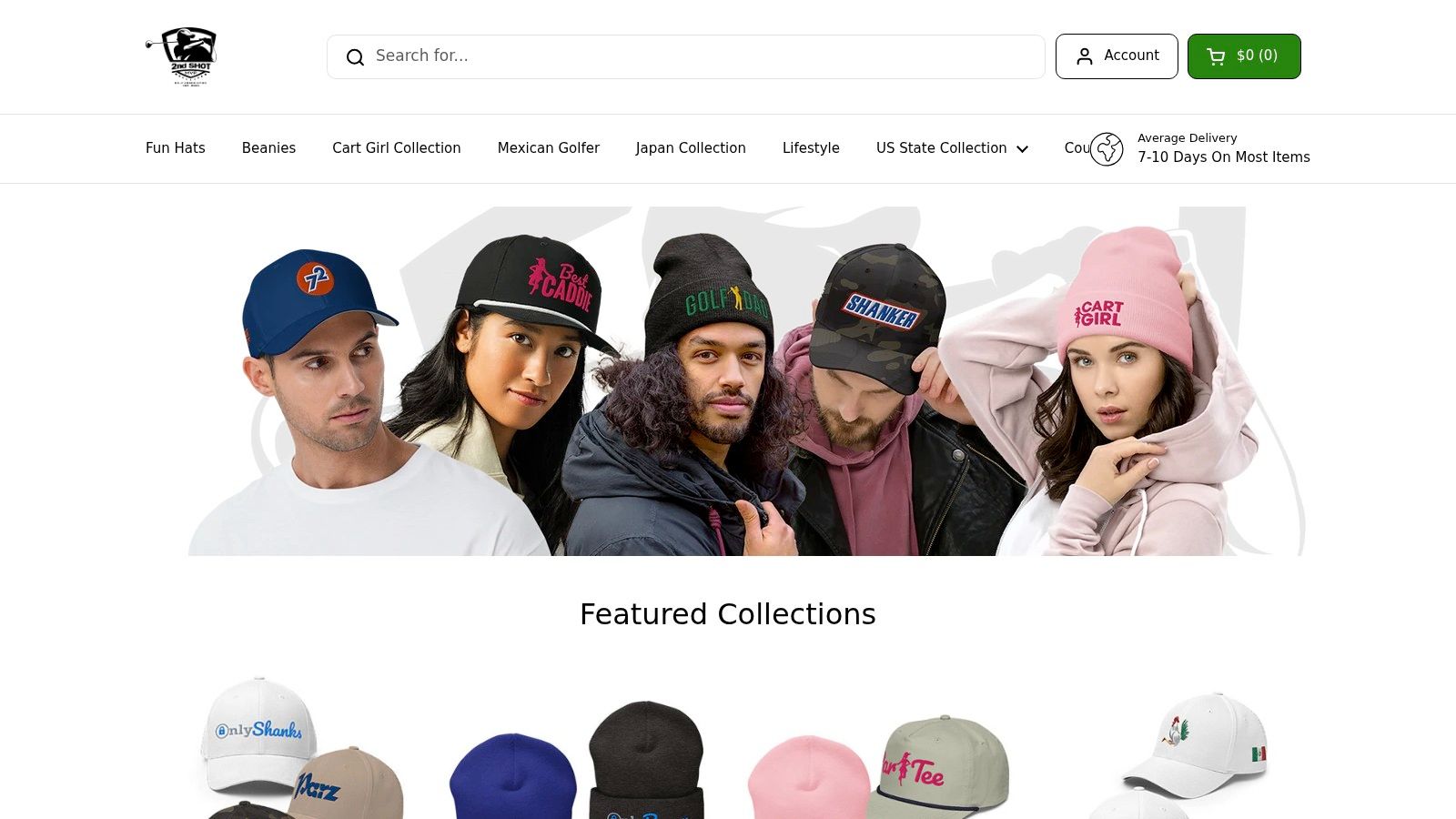
Plaid hats look best when the rest of the outfit gives them room. That doesn't mean dressing blandly. It means choosing one strong move and letting the hat do its job without competing with everything else.
On the course
A bold tartan cap works best with a solid polo and clean bottoms. The hat becomes the point of interest, and the shirt acts like a frame. That's the safest way to wear a louder plaid because the outfit stays focused even when the pattern is vivid.
Glen Plaid is different. It pairs nicely with well-fitted golf trousers and a sharper top because the pattern itself already feels restrained. If your game-day wardrobe leans toward refined basics, this is the hat that slips in without feeling forced.
Off the course
A plaid golf hat can move into post-round life easily if the rest of the outfit stays casual and neat. A quarter-zip and straight-leg pants keep the look relaxed enough for a brewery stop, while a crisp button-down makes the same hat work for brunch. The key is not trying to make the cap do more than one job at once.
That versatility shows up across golf style coverage too, where recent cap roundups keep returning to comfort, breathability, and fit as purchase drivers Golf Monthly. Style matters, but only after the hat proves it can be worn all day.
Pattern scale changes the mood
Large checks feel louder and more playful, while smaller checks read tidier and more versatile. If your wardrobe already includes prints, smaller plaid is easier to integrate. If your clothes are mostly solids, a bigger check can carry the outfit without much help.
A plain cap can disappear. A plaid cap can finish a look, especially when its colors echo a shoe accent, a belt, or a subtle stripe in the shirt. That small connection makes the outfit feel deliberate instead of random.
One practical place to study different silhouettes is 2ndShotMVP's golf hat styles guide, because seeing varied shapes side by side makes the styling logic much easier to apply.
Keeping Your Plaid Hat in Pristine Condition
A good plaid hat gets harder to replace once the shape starts working for you. That's why care matters. The goal is to keep the brim clean, the crown structured, and the colors from going dull after a few sweaty rounds.
Spot-clean first, not last. Use a damp cloth on light dirt and a mild cleaner on sweat marks, then let the hat air dry naturally. Aggressive scrubbing can blur the pattern or lift the finish, especially on lighter plaids.
Don't toss the hat crushed in a golf bag pocket if you want it to keep its profile. Shape is part of the style.
Storage matters as much as cleaning. Keep the cap on a shelf, hook, or hat form so the brim doesn't flatten and the crown doesn't crease. If the hat has a structured front, storing it properly protects the very thing that gives the plaid its clean look.
If you need a deeper cleaning routine, use the step-by-step approach in this golf hat cleaning guide. It's better to clean lightly and often than to let sweat build up until the hat looks tired.
Plaid Golf Hat Questions Answered
Can you wear a plaid hat with a striped shirt
Yes, but only if one pattern stays quieter. If the hat has a busy tartan, keep the shirt stripe subtle or very thin. If the shirt already does the heavy lifting, choose a smaller plaid or gingham cap so the two pieces don't fight each other.
Are plaid hats appropriate for club events
Usually, yes, if the hat is clean, well-fitted, and not overly loud. Glen Plaid and smaller checks feel safer for club settings because they read polished rather than novelty-driven. A structured cap in a restrained pattern will almost always look more acceptable than a floppy, oversized, or overly graphic version.
Which plaid scale works best on different builds
Smaller checks tend to look tidier and more versatile, especially if you want the hat to disappear into the outfit a bit. Larger plaids create more presence and can look great when you want the cap to stand out. The scale should match your comfort level first, then your wardrobe.
What's the main mistake people make with plaid hats
They buy the pattern before they buy the shape. That's backward. A beautiful plaid on the wrong crown height or brim style still looks off, while a simple pattern on the right silhouette looks sharp every time.
What if I only want one plaid hat
Choose the one you'll wear in the widest range of settings. That usually means a mid-tone plaid, a comfortable fit, and a shape that sits well with your normal shirts and outerwear. If it works on the course and at lunch, you'll use it.
If you want a plaid golf hat that looks right on the tee and still feels natural after the round, 2ndShotMVP is worth a look. Its golf hats and lifestyle headwear make it easier to find a pattern and shape that match how you play, not just how you browse.

