
You're standing in front of the mirror ten minutes before tee time, pulling on a pair of pants and doing the same quiet check every golfer does. Do they look sharp enough for the clubhouse, stay put through the swing, and survive a little heat, a little sweat, and maybe a drink after the round? That's the whole game with best womens golf pants, and most of the market still makes it harder than it should be.
The right pair isn't about chasing some vague “athleisure” look. It's about waist fit, inseam length, and swing-friendly stretch, because those are the three things that decide whether you forget about your pants by the third hole or keep tugging at them all afternoon. Golf shoppers are also making the same comparison over and over, just in a narrower set of top listings, which is why product detail quality and sizing clarity matter so much in this category, especially with search demand staying recurring rather than random, as ASINSIGHT's U.S. market report shows with about 1,199 weekly searches for “women's golf pants” and a small cluster of listings pulling visible sales volume ASINSIGHT market report.
You'll get a blunt shortlist here, not a generic roundup. You'll also get a fitting checklist, a fabric cheat sheet, and a care routine that keeps technical pants from turning into sad office slacks after three washes. And if you want the outfit to look finished instead of merely functional, I'll point you toward 2ndShotMVP hats and apparel that sit cleanly in the same on-course lane.
What Every Golfer Wants From Her Pants
The best test for golf pants happens before the first swing. If you can bend to tee up, sit in a cart, walk nine, and still feel like yourself at the 19th hole, the pants are doing their job. That sounds basic, but a lot of pairs fail one of those jobs badly, usually at the waist or through the thigh.
The three jobs that matter
First, they have to move with the swing. Travel + Leisure's independently tested roundup points to the PGA Tour Apparel Stretch Woven Ankle 27 Inch Pant as its best overall women's pick, and that tells you where the category sits now, stretch and mobility beat old-school dress-pant stiffness Travel + Leisure's tested golf pants roundup. Second, they need to look intentional off the course, because nobody wants to look like they borrowed gym pants for a golf day.
Third, they need repeatability. Golf pants get washed, packed, worn in heat, and stretched through the same setup routine again and again. That's why a permanent category at major retailers matters, too, and why you'll see dedicated women's golf pants assortments rather than one-off seasonal pieces in serious golf stores.
Practical rule: if a pair looks sharp but makes you adjust it on the range, pass. Pants that need constant correction never become your favorites.
The modern category is also more performance-driven than the old dress-code era. Buyers now expect stretch, cleaner hems, and fabric that holds up through walking and bending. That's why the rest of this guide focuses on the stuff that changes how pants feel on the course, not just how they photograph.
For a quick primer on one of the core fabric behaviors, this guide on what moisture-wicking fabric does in golf apparel is worth a look before you start comparing product pages. Once you know what matters, it's much easier to ignore the fluff and buy like a person who plays.
Understanding the Fabrics That Make a Difference
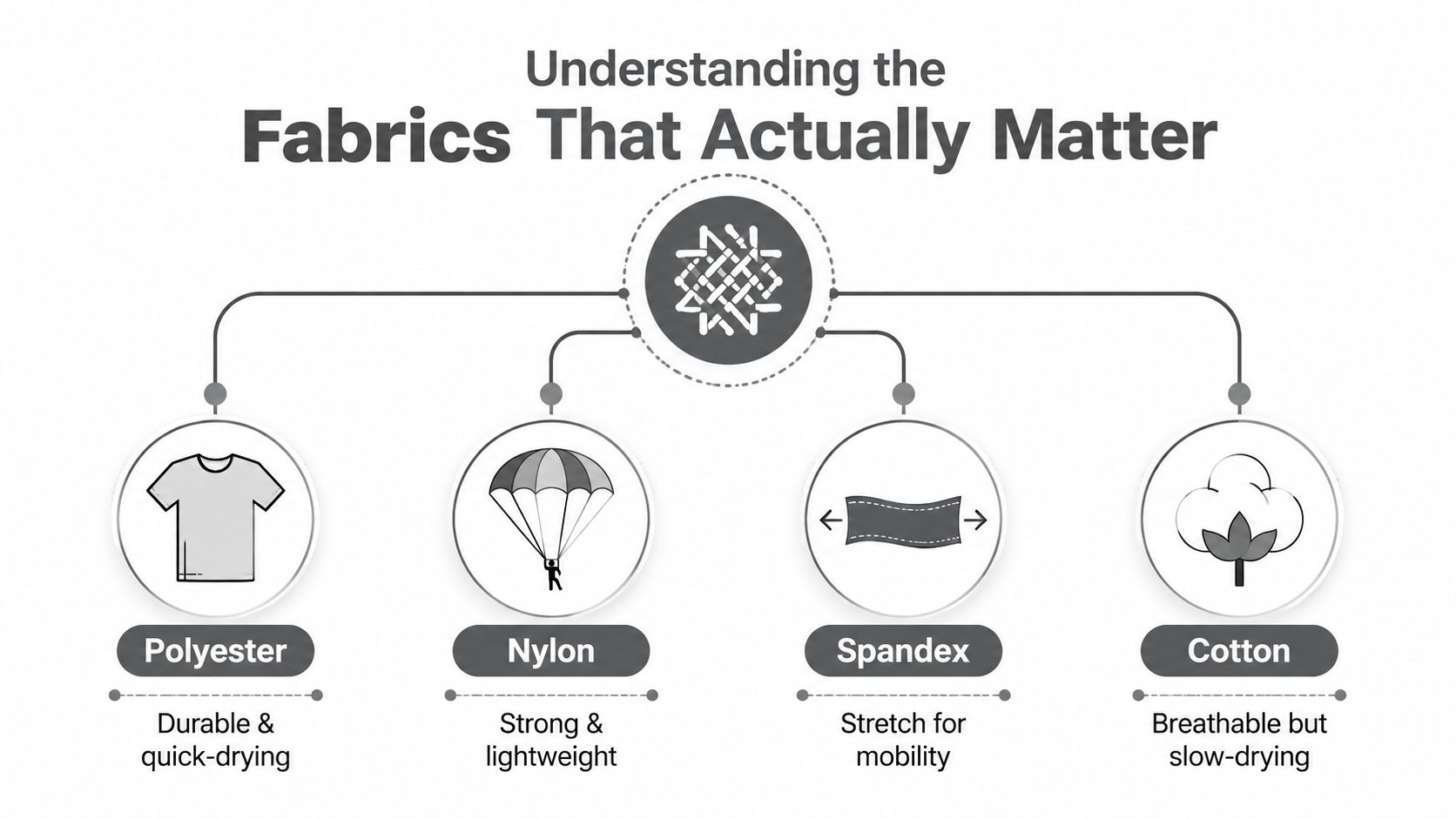
You do not need a textile degree to buy good golf pants. You do need a simple filter, because the fabric name on the tag tells you a lot about how the pants will handle a swing, a crouch, and a full day of walking.
Stretch-woven technical fabric
This is the workhorse. It looks polished, but it moves like athletic gear. The first spec I check is 4-way stretch, because it lets the fabric give in every direction through the swing, while 2-way stretch only helps in one plane. The best blends usually sit in the nylon or polyester family with a bit of elastane, which keeps the pant mobile without making it feel flimsy.
Woven technical twill
This is the cleaner-looking option. It has more structure, a more dressed-up line, and usually reads closer to slacks than a sporty pant. The trade-off is straightforward, you get a bit less give and a bit more shape. If your club dress code runs conservative or you want one pair that works from the first tee to dinner, this is the lane to shop.
Knit-look technical bottoms
These are your favorite leggings pretending to be dress pants. They are easy to move in and usually comfortable for long wear, but they can look more casual and may hold shape less cleanly than a woven pair. If all-day comfort is your main complaint, they deserve a look. Just do not expect them to pass for traditional trousers.
If sensitive skin is part of the problem, a useful outside reference is fabrics that won't irritate sensitive skin. It is not golf-specific, but the fabric logic still helps when you are choosing what you want against your skin for several hours in sun and heat.
The simplest takeaway is this. Choose stretch-woven technical fabric if movement matters most, woven technical twill if you want the cleanest look, and knit-look technical bottoms if comfort comes first. If you want a quick primer on how sweat management changes the feel of a round, this guide on what moisture-wicking fabric does in golf apparel is the right place to start. That is the framework. Ignore the marketing copy and buy the fabric that matches how you play.
Performance Features Worth Paying For
Once the fabric base makes sense, the next question is which features deserve a higher price. I'd rank them by playing conditions, because a July round and a damp shoulder-season tee time need different things.
Hot weather and bright sun
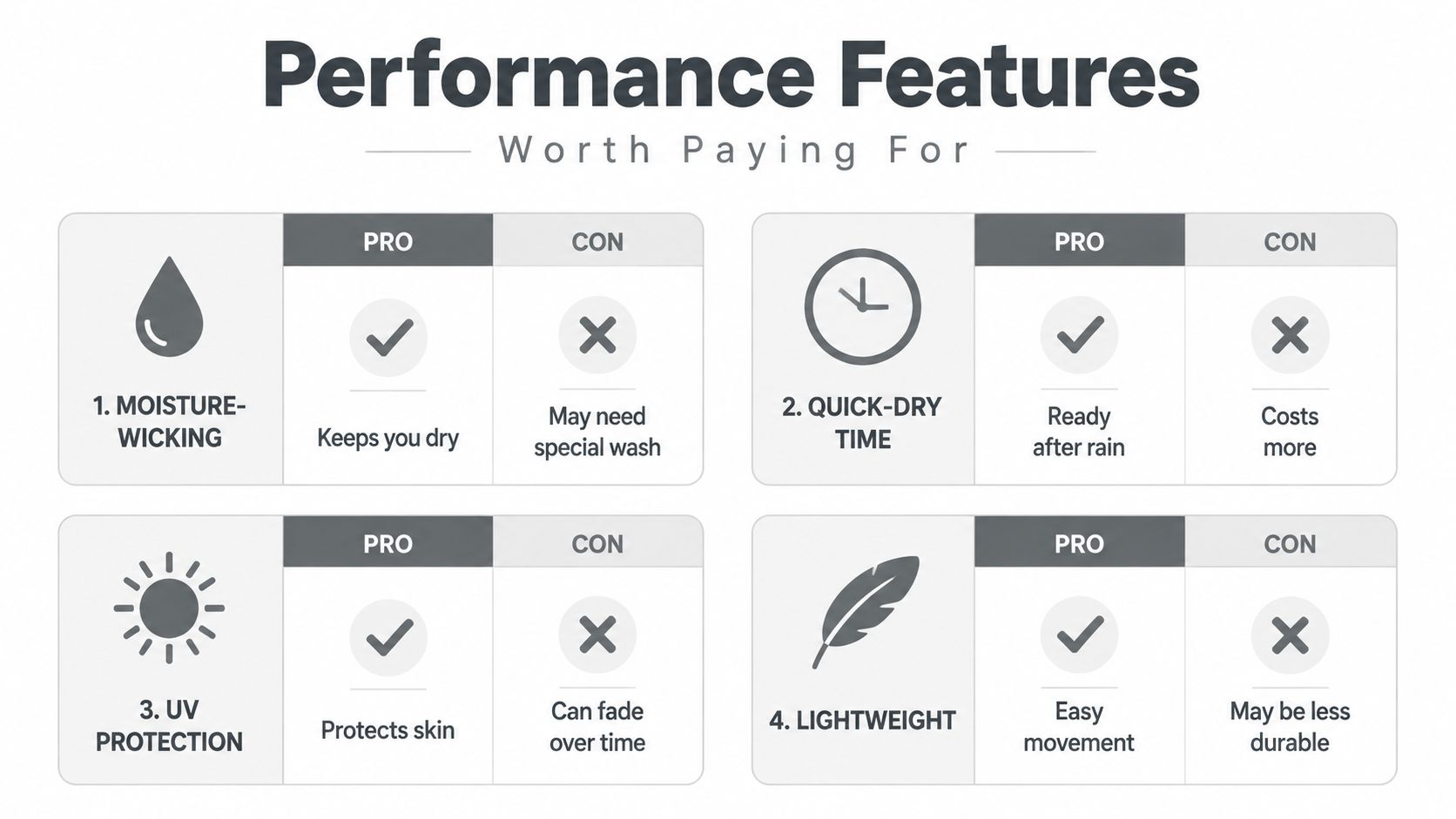
For summer rounds, moisture-wicking, quick-dry, and UV protection earn their keep. Moisture-wicking moves sweat off the skin, quick-dry keeps the fabric from feeling heavy after humidity or a sudden shower, and UV protection matters more than a lot of shoppers want to admit. Independent guidance points to UPF 50+ as a solid benchmark for long rounds in strong sun, since it blocks almost all UV radiation Golf.com best golf pants for women.
If you play summer golf often, put UPF 50+ ahead of water resistance. Sun exposure is the more common problem, and comfort starts with staying dry inside your clothes, not just on the outside.
Wet days and shoulder season
Light water resistance helps when you get a passing shower or damp grass. It is useful in that narrow lane. If you want real rain protection, shop for a dedicated wet-weather pant or an over-trouser, because “water-resistant” usually means it can handle a sprinkle and not much more.
What's worth extra money
I'd pay more for fabric recovery, a better waistband, and real UV performance before I'd pay for marketing terms like “cool-touch” or “cloud feel.” The stretch and comfort have to survive the ninth hole, not just the fitting room. 4-way stretch stays the feature worth paying for because it keeps the pants working through setup, bending, and the top of the backswing.
Pleated golf pants are a useful example of how a small design choice can change the feel and look of a pair, especially if you want a little more room without giving up polish 2ndShotMVP pleated golf pants.
For a quick visual, use the chart below to compare moisture-wicking, quick-dry time, UV protection, and lightweight trade-offs before you hand over extra money.
Finding the Fit That Flatters Your Swing
Most women get annoyed because the same size number can fit like a dream in one brand and feel impossible in another. Golf pants are especially tricky because the body is not a ruler, and the swing exposes every weak point in the cut.
Start with the rise
High-rise usually stays put better for women who hate waistband slide, especially if your swing is athletic and your torso is longer. Mid-rise can feel more natural if you dislike anything coming up too high through the ribcage. If you're choosing between them, prioritize the one that stays anchored when you hinge at address, not the one that looks best on a hanger.
Pull-on or zip-front
Pull-on pants remove hardware, which means fewer pressure points and less digging when you bend. Zip-front pairs often look more traditional and can feel more secure if you like a structured front. Neither is automatically better, but if your biggest complaint is waistband discomfort, pull-on usually wins.
Inseam length and waist-to-hip mismatch
This is the pain point people keep circling around in buyer discussions, especially for curvier figures. A woman whose waist and hips differ meaningfully often gets gapping at the back waist or tightness at the hip, and mainstream golf pants coverage still talks too vaguely about “flattering fit” instead of solving it. If that's you, look for contoured waistbands, stretch panels, and fabrics with enough recovery to hold shape after you sit, walk, and swing.
Takeaway: if your pants fit the hips but gap at the waist, don't size down first. Try a cut made for more curve through the seat, or a waistband that's built to contour instead of cinch.
For inseam, use your shoes as the final test. Golf shoes change how the hem falls, and a pair that looks perfect with sneakers can bunch badly over spikes. If you're between lengths, go slightly longer and hem later, because you can always shorten a pant, but you can't grow fabric back.
A useful detail-focused read on cut and pleats is this guide to pleated golf pants. It's a good reminder that small design choices can make a big difference once you're moving.
The Shortlist of Pants Worth Your Money
| Pick | Best For | Key Feature | Price Tier |
|---|---|---|---|
| PGA Tour Apparel Stretch Woven Ankle 27 Inch Pant | Best overall performance | Stretch and modern ankle length | Premium |
| FootJoy Stretch Golf Trousers | Clean everyday wear | Structured twill look | Mid-range |
| Ping Vic Cropped Trouser | Warm-weather value | Cropped length and quick-dry feel | Value |
| Curvy-fit technical pull-on pant | Hard-to-fit figures | Contoured waistband and stretch recovery | Mid-range to premium |
Best overall performance
The PGA Tour Apparel Stretch Woven Ankle 27 Inch Pant is the one I'd hand to a golfer who wants one pair to cover the most bases. It moves cleanly through the swing, the ankle length keeps the line sharp, and the cut does not read overly sporty. If you want a pant that looks current without trying too hard, this is the safe buy.
Best value
The Ping Vic Cropped Trouser makes sense if you want golf function without spending on a full premium pair. Its cropped shape works well in warm weather, and the technical build keeps it from feeling like ordinary casual trousers with a logo slapped on. It is the kind of pair that earns its place in a rotation, especially for hot days or practice sessions.
Best for the clubhouse-to-course look
The FootJoy Stretch Golf Trousers are the cleanest option here if you care about a more polished, quieter look. They read as proper golf trousers, which helps when your day runs from first tee to lunch or errands without a wardrobe change. If you prefer clothes that look composed rather than trend-driven, this is the pair to look at.
Best for curvy or hard-to-fit figures
This category still gets treated like an afterthought, so start with fit, not marketing copy. Pay attention to the waist-to-hip shape first, because that is where a lot of women get gapping at the back waist or tightness through the seat. A contoured waistband, enough stretch recovery, and a cut that follows your shape matter more than a generic promise of flexibility.
Inseam length matters just as much. Use your golf shoes as the final test, because hems behave differently over spikes than they do over sneakers. If you sit between lengths, go a touch longer and hem later, since shortening is easy and adding fabric is not.
For a second look at shape and drape, the The Golf Shop Online ladies golf trousers guide is useful because it keeps the focus on cut rather than hype. If you want a different off-course silhouette, southwest gaucho pants linens show how wide-leg comfort can still look pulled together, even though that shape is not my first choice for medal play.
If you are building a full outfit, pair these pants with one of the clean options from 2ndShotMVP women's golf hats. A simple hat keeps the look grounded and lets the pants do the work, which is exactly how a golf wardrobe should function.
Pairing Your Pants With 2ndShotMVP Hats and Apparel
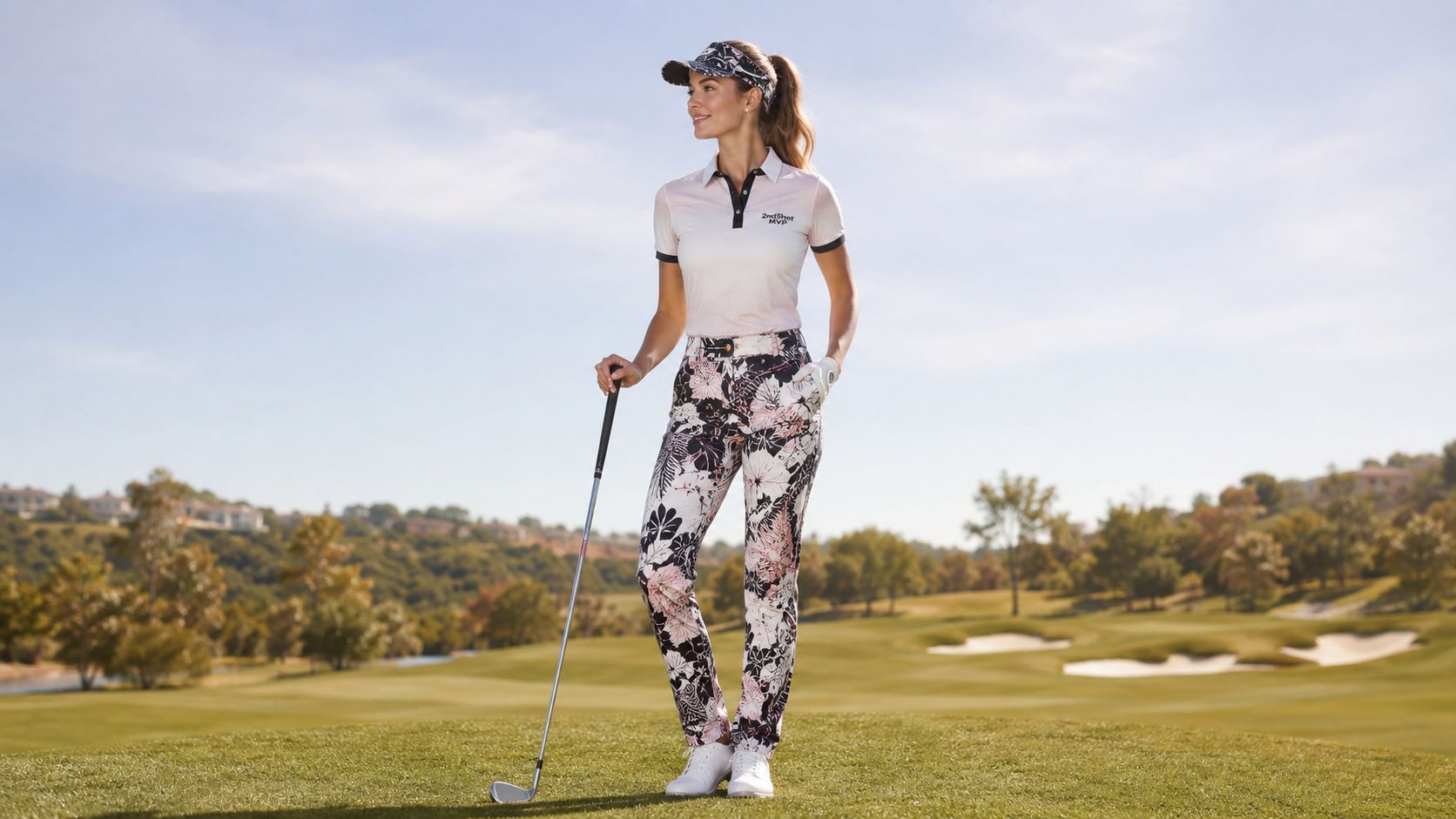
A good pant gets you halfway there. The rest is the top half, and that's where a clean hat changes the whole look from “I bought golf clothes” to “I know my golf clothes.”
Three outfit formulas that actually work
A black or navy technical pant with a simple polo and a neutral 2ndShotMVP hat is the safest club-tournament formula. It looks crisp, keeps the outfit grounded, and doesn't compete with the rest of your gear. If your pants are patterned or textured, let the hat stay quiet.
A cropped performance pant with a relaxed top and a logo-forward hat works better for Saturday morning rounds and casual tee times. That setup has an easy, lived-in feel, and it's exactly the kind of outfit that handles both the course and a coffee stop after. The key is not overdoing the colors.
A pull-on pant with a structured top and lifestyle headwear is the move when you're headed straight to the 19th hole. It says you planned the outfit without making it look fussy. That's the sweet spot for golfers who want clothes that travel well between course, car, and clubhouse.
The 2ndShotMVP angle makes sense here because the brand's focus is golf hats, beanies, and lifestyle apparel with a clean on- and off-course feel. If you want to browse their women's golf hat options directly, start with their women's golf hats collection.
Price Tiers and How to Make Them Last
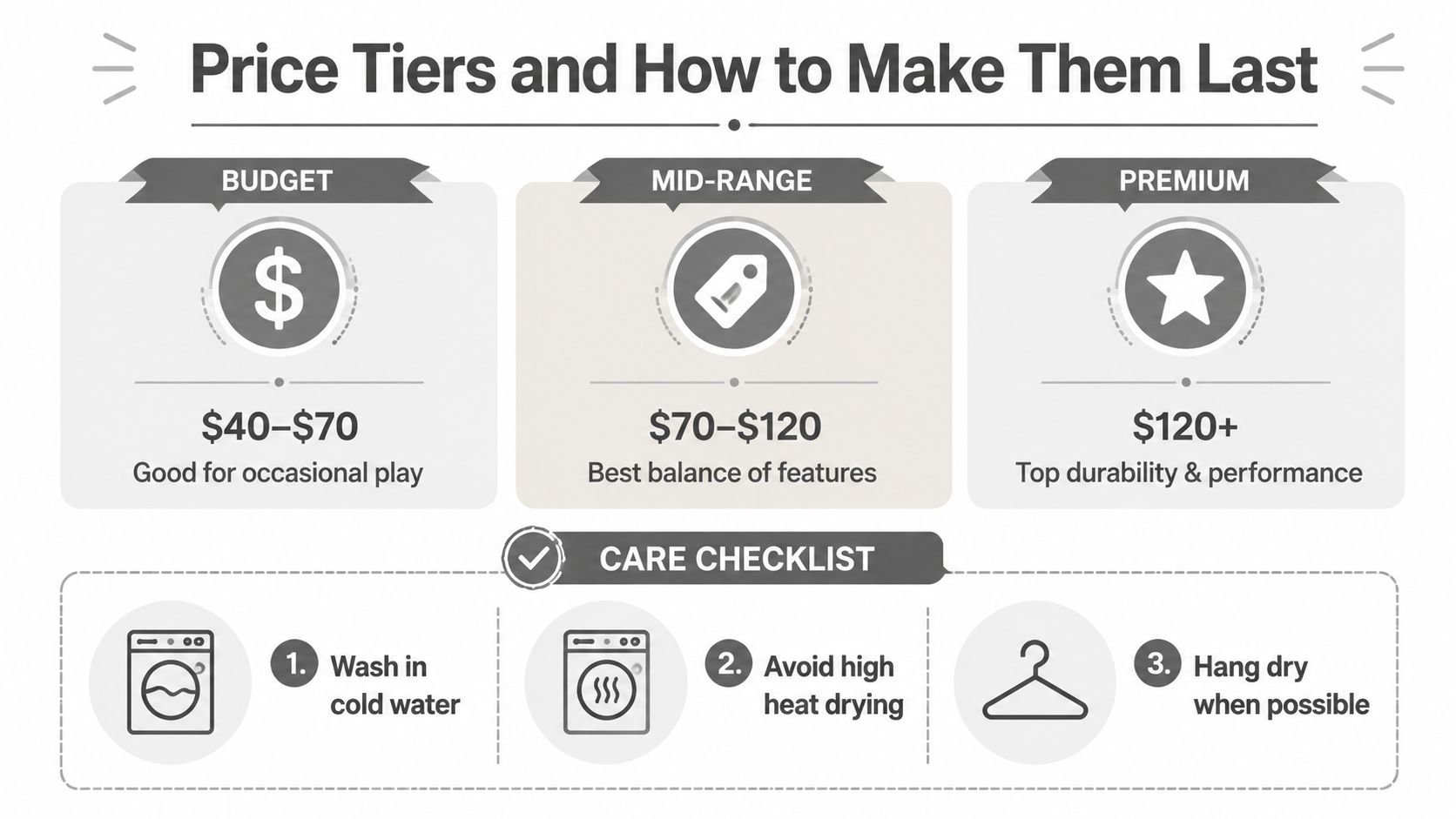
The cleanest way to shop women's golf pants is by use, then by budget. If you play occasionally, you don't need to force a premium buy. If you're out there every week, cheap pants usually turn expensive fast because they lose shape, fade, or stop looking sharp.
What the tiers should feel like
Budget pants are fine for occasional play and practice days, but they usually cut corners on recovery and waistband refinement. Mid-range is where most golfers should live, because that's where you usually get the best balance of stretch, structure, and real-world comfort. Premium makes sense when you want better fabric recovery, stronger waistband construction, or weather performance that holds up round after round.
The price difference usually shows up in the details, not the silhouette. Better pants recover after stretching, keep their shape after washing, and feel less fussy at the waist when you move. That's what you're paying for, not a fancier logo.
How to keep them performing
Wash technical pants in cold water. Skip fabric softener, because it can interfere with performance finishes. Tumble low or hang dry, and zip them before washing so hardware and stretch panels don't take a beating.
If the pair has water-repellent treatment, heat is the enemy. High heat can shorten the useful life of the finish, which is why gentle drying matters more than people think.
Simple care rule: wash cold, dry low or hang dry, and don't overcomplicate it. Technical pants usually die from bad laundry habits, not from golf.
The best womens golf pants are the ones you reach for repeatedly because they fit right, move right, and still look good after the round. Buy for the swing, buy for your body, and keep the care routine boring.
If you want a hat and apparel line that finishes the outfit without fighting it, visit 2ndShotMVP. Their golf hats and lifestyle pieces are built for the same on-course-to-19th-hole transition these pants are meant to handle. Pick the pants that fit your swing, then use 2ndShotMVP to make the whole look feel intentional.

